
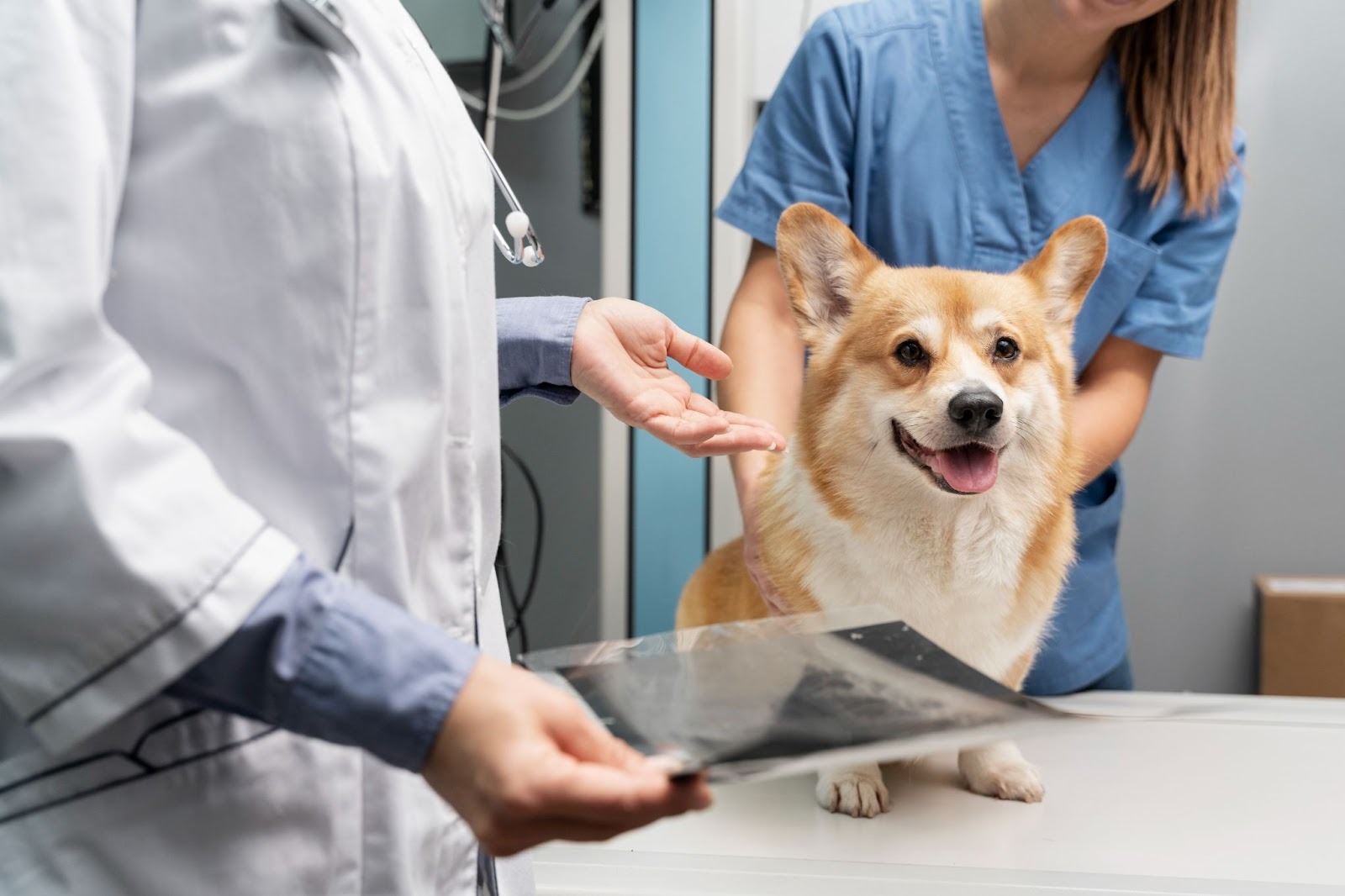
A sudden change in a pet’s behaviour often brings worry. A pet that once ran around the house may suddenly sit quietly. A playful jump may turn into a limp. A happy eater may refuse food without warning. Moments like these create fear because the cause remains hidden. The body does not speak, yet something is wrong.
This is when pet parents turn to a clinic for help. At Companion Veterinary Clinic, these moments are understood. The first step is often simple. Find out what is happening inside the body. No guessing. No confusion. Just clear answers. Diagnostic imaging helps make this possible. It shows what the eyes cannot see, and it guides the next step of care.
What Is Diagnostic Imaging in Veterinary Medicine?
Diagnostic imaging helps doctors see inside the body without surgery. It helps find problems in bones, organs, and tissues. It helps confirm the cause of pain or illness. Two of the most common tools used in pets are X-rays and ultrasounds. Both tools serve an important purpose. They work in different ways. Each method gives a different type of information. Doctors choose the right tool based on the signs, the history, and the urgency of the situation. This simple step often brings clarity, and it helps plan the right treatment for the pet.
What Does an X-Ray Show?
An X-ray for pets is one of the most common imaging methods. It uses small amounts of radiation to create clear, two-dimensional images of what lies inside the body. The image helps doctors see shapes, sizes, and changes in thicker structures.
X-rays for pets are very useful in many situations. Broken bones and dislocations appear clearly. Lung and chest problems become visible. Signs like pneumonia, fluid around the lungs, or an enlarged heart can be seen quickly. The belly region may show swallowed objects or bowel blockages. Certain bladder or kidney stones appear clearly. Even dental issues, such as root damage or decay, show on X-ray images. Tumours inside organs or bones may also appear if they are dense.
The process is quick. Many X-rays for pets take less than 15 minutes. This makes them useful in emergency or trauma cases when time matters.
What Does an Ultrasound Show?
Ultrasound gives a different view. It uses sound waves to create moving images of soft tissues. This makes it ideal for organs that cannot be seen clearly on X-rays. Ultrasound helps doctors study the liver, kidneys, and spleen. It shows tumours, cysts, inflammation, or fluid. It can reveal changes in the bladder wall or detect abnormal tissue growth. Heart ultrasounds show motion of the valves and blood flow. This helps in cases of murmurs or irregular rhythms. It also helps study intestinal issues, such as thickened walls or fluid buildup.
Pregnancy checks become simple with an ultrasound. It can show fetal movement and development. Abnormal fluid inside the chest or belly appears clearly. Lymph nodes can be studied for infection or cancer. Ultrasound gives real-time images. This means doctors can see movement inside the body instantly.
Pet Ultrasound vs. X-Ray: What’s the Difference?
X-rays work best for solid and dense structures. Bones, lungs, and thick tissues appear clearly. Ultrasound works best for soft organs, fluids, and blood flow. X-rays give a still image. Ultrasounds give moving images. X-rays use radiation. Ultrasounds do not use radiation. X-rays are very quick. Ultrasound may take longer and may sometimes need mild sedation. Ultrasound is safe during pregnancy. X-rays have limited use during pregnancy unless necessary. Doctors choose the right tool based on what needs to be seen.
X-Ray: Benefits
X-rays are fast. They are often the first step in emergencies. They show broken bones clearly. They help locate foreign objects. They help check chest health. They help with dental exams. They help screen for arthritis.
X-Ray: Limitations
They show limited detail for soft tissues. They involve a small amount of radiation. Some pets may need sedation. They cannot show organ motion or blood flow.
Pet Ultrasound: Benefits
It is safe and has no radiation. It gives moving, real-time views. It helps monitor chronic issues. It helps with reproductive checks. It is safe for all ages, including pregnant pets.
Pet Ultrasound: Limitations
It takes more time. Some pets need sedation. It cannot show bones clearly. It is not ideal for air-filled organs like lungs.
When Does Your Pet Need an X-Ray or an Ultrasound?
A vet may choose an X-ray for fractures, arthritis, or lung concerns. Vomiting, bloating, or suspected internal bleeding may require ultrasound. Heart murmurs need ultrasound of the heart. Bladder stones may start with X-ray and follow with an ultrasound. Pregnancy checks rely on ultrasound. When foreign objects are swallowed, an X-ray goes first. If more detail is needed, an ultrasound may follow. Often both tools work together. This helps doctors understand the full picture.
How Companion Veterinary Clinic Brings Clarity and Comfort
Companion Veterinary Clinic in Dubai is built with modern technology and a warm approach. The team is trained, experienced, and compassionate. The clinic has advanced imaging tools, including X-rays and ultrasound. This helps pets receive accurate diagnoses and timely treatment.
The clinic aims to build trust. The environment is calm. The team listens. We guide pet parents through every step. The goal is simple: clear answers, proper care, and a healthy pet. Companion is known for 24×7 emergency support. The team stays ready for urgent cases. We communicate clearly, stay cost-conscious and work with compassion. We not only focus on preventive care, but also treat pets like family.
A Complete Experience for Pets and Pet Parents
The clinic provides full care. Regular check-ups, vaccinations, licensing, and imaging are available. The clinic also offers dental procedures, surgeries, medicated grooming, and more. It has a laboratory, pharmacy, dental suite, and inpatient care. Home services are available for selected cases.
Care extends across Dubai, Sharjah, and Ajman. The team believes every pet deserves complete and compassionate care. Treatment plans are transparent. Attention is detailed. Care is continuous.
The clinic environment is calm. Pets feel safe. Owners receive clear guidance. Nutrition advice, fitness plans, and preventive routines are part of care. The team participates in community animal welfare events. We offer holistic support from early vaccinations to senior care.
X-rays and ultrasound remain core tools. The team uses advanced digital radiography. This reduces radiation and improves image clarity. The clinic also offers veterinary radiation therapy when needed, ensuring complete support for complex health conditions.
Pet parents often feel stress when signs of illness appear. Clear diagnosis brings relief. It guides treatment. It brings hope. Companion Veterinary Clinic focuses on giving this clarity. Every visit aims to bring comfort. Every step is taken with care. Every pet is treated with love.
FAQs
- When does a pet need an X-ray instead of an ultrasound?
A pet needs an X-ray when the vet suspects bone issues, chest problems, or swallowed objects. - Is ultrasound safe for all pets, including pregnant ones?
Yes, ultrasound is completely safe for pets of all ages, including pregnant pets. - What does an ultrasound show that an X-ray cannot?
Ultrasound shows soft organs, fluids, tissues, and real-time movement inside the body. - How fast are pet X-rays done at a clinic?
Most X-rays take less than 15 minutes and are useful in emergencies.
- Characters0
- Words0
- Sentences0
- Paragraphs0
- Whitespace0